
META Art Virtual Gallery
Introduction
The rise of digital art and NFTs has begun to reshape how artwork is exhibited, collected and experienced. In 2021, REAFE STUDIO explored this shift through the concept design of the META Art Virtual Gallery, a speculative architectural proposal for a global digital art fair.
The project considers how architecture can frame digital culture. Instead of simply displaying screens, the design treats space, light and material as part of the exhibition itself.
Architecture for a new kind of art fair
The art world has always been closely tied to the spaces in which it is shown. From traditional museums to contemporary galleries, architecture shapes the way art is experienced.
As digital art and NFTs began to gain traction, the question emerged. What should a gallery look like when the artwork itself exists in a digital realm?
In 2021, REAFE STUDIO explored this question through the concept design of the META Art Virtual Gallery. The proposal imagined a global digital art fair that blends architectural space with immersive digital presentation.
Designing space for digital art
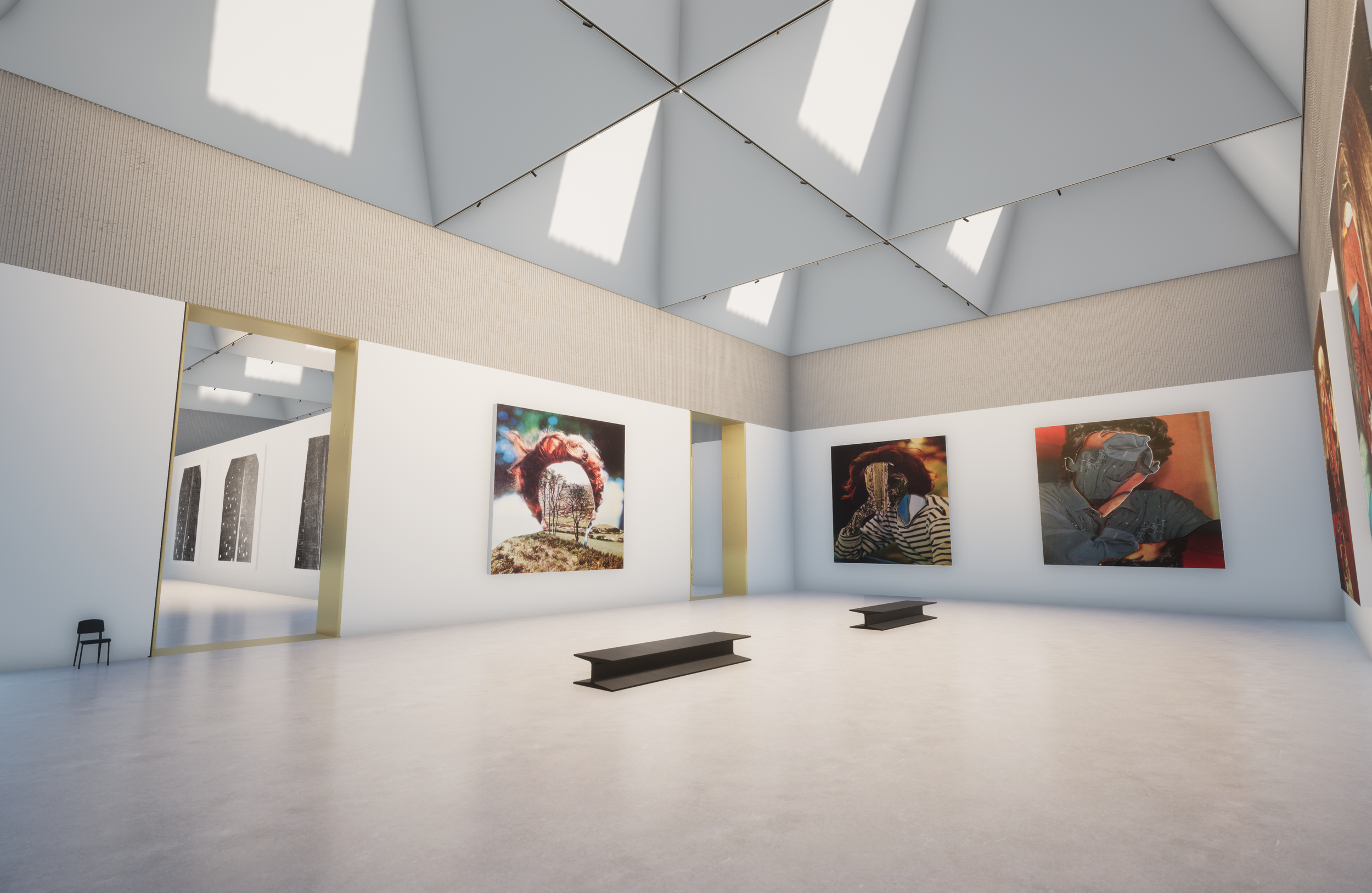
Rather than approaching the gallery as a series of rooms filled with screens, the design focuses on spatial experience. Large atrium volumes anchor the building, creating moments of pause and orientation as visitors move through the gallery.
Around these spaces, a series of galleries accommodate artworks at different scales. Some rooms focus on large digital installations, while others provide more intimate environments for collectors and smaller works.
Panoramic viewing windows allow light and landscape to become part of the exhibition journey. The contrast between natural light and digital media creates a dynamic viewing experience that changes throughout the day.
Architecture, light and material
The design language balances digital culture with physical materiality.
Natural stone tones, textured concrete and warm timber surfaces provide a grounded architectural palette. Brass details and reflective surfaces introduce moments of light and contrast, subtly echoing the glow of digital displays.
The intention was to avoid creating a purely technological environment. Instead, the gallery feels calm, tactile and architectural, allowing the digital artwork to remain the focus.
A flexible art marketplace
Beyond the main galleries, the concept includes a marketplace environment where artists, collectors and digital platforms could interact.
Large flexible spaces allow the fair to adapt over time. Galleries can host curated exhibitions, digital installations or collector showcases depending on the event programme.
Digital focal points positioned at gallery entrances act as moments of orientation and announcement, guiding visitors through the exhibition.
A speculative future
The META Art Virtual Gallery was developed as a conceptual exploration rather than a commissioned project. It reflects a moment when digital culture was beginning to intersect with architecture in new ways.
While technologies evolve quickly, the fundamental question remains relevant. How do we design meaningful physical spaces for art that exists in a digital world?
Architecture may still play an important role. Not simply as a container for screens, but as an environment that shapes how digital culture is experienced.
